

Here Are All The Google Pixel Phones That Will Be Updated To Android 17

Google has been testing the next major Android update for the better part of the year, announcing some new Android 17 features in mid-May, a week before the company's AI-centric Google I/O 2026 developer conference. Pixel devices will be the first to receive the Android 17 update when Google releases it this summer, with beta releases already available for developers and experimental Android users to try. Several Pixel phone generations will be eligible for the Android 17 update, from the Pixel 6 models released in 2021 through the Pixel 10 series launched last year and the Pixel 10a released in February 2026. That's great news for Pixel buyers looking to run Google's latest mobile operating system, and a testament to the brand's commitment to offering five to seven years of Android updates.
Here are all the Pixel devices that will run Android 17 this summer:
- Pixel 6, Pixel 6 Pro, Pixel 6a
- Pixel 7, Pixel 7 Pro, Pixel 7a
- Pixel 8, Pixel 8 Pro, Pixel 8a
- Pixel 9, Pixel 9 Pro, Pixel 9 Pro XL, Pixel 9a
- Pixel 10, Pixel 10 Pro, Pixel 10 Pro XL, Pixel 10a
- Pixel Fold, Pixel 9 Pro Fold, Pixel 10 Pro Fold
- Pixel Tablet
All devices released since the Pixel 8 series offer seven years of Android updates. The remaining Pixel models in the list will only get five years of updates. That means the Pixel 6 and Pixel 6 Pro are about to receive their last major Android release.
Is Gemini Intelligence coming to all Android 17 devices?
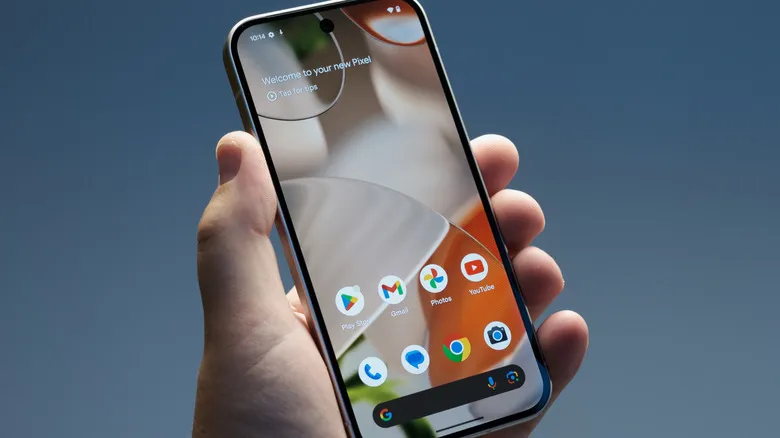
While Google can guarantee extended Android support for many of its Pixel devices, it can't guarantee feature parity. Not all Android 17 features will come to all Pixel models in the list, with Gemini Intelligence being the best example of that limitation. Google announced Gemini Intelligence during a livestream that preceded the main I/O 2026 event, explaining it as an AI layer built into Android so Gemini can understand user context and access user data to perform complex tasks and automations, including filling out forms, assisting with content in Chrome, handling text dictation, or creating custom widgets. Gemini Intelligence will work on-device and in the cloud via Google's Private AI Compute infrastructure to improve user privacy.
Gemini Intelligence has clear hardware requirements that Google revealed, including a high-end processor, at least 12 GB of RAM, and support for Gemini Nano v3. These requirements exclude most Pixel devices in the list, barring the latest Pixel 10. Gemini Intelligence will roll out for Pixel 10 models and Android flagships like the Galaxy S26 series. The Pixel 10a, which features just 8 GB of RAM, will not run the new Gemini platform. The Pixel 11 models coming this summer will probably support Gemini Intelligence out of the box. Also, it's likely Google's upcoming generation of Pixel devices will launch with a few exclusive Android 17 features that may not be available on older models immediately.
When will Android 17 be released?
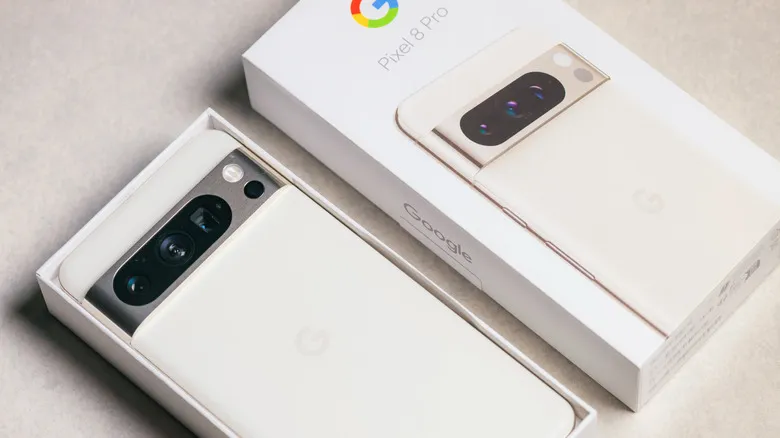
Google's official timeline indicates that Android 17 will be released in the second quarter of 2026. That implies a launch by the end of June, which is in line with Google's Android 16 release last year. The first stable Android 16 release dropped on June 10, with Pixel users being the first to get access to it. Considering Android 17's release is imminent, Pixel users who want to try the new operating system may be better off waiting a few more weeks instead of installing one of the Android 17 beta versions that are available at this time.
Google released Android 17 Beta 4 in mid-April, a release that's better suited to developers who are testing the new operating system in preparation for their own app updates. These users have probably been running Android 17 for several months on development handsets. Then there's Android 17 QPR1 Beta 3 (the Quarterly Platform Release beta), released in mid-May, which is suitable for most people, including non-developers who are curious to try the new OS.
Installing the Android 17 beta is as simple as going to Google's Android beta website, enrolling a Pixel phone, and then updating the software to the beta release once it becomes available. From there, users will be able to upgrade to the first stable Android 17 release once it's available this summer.